
 Українська
  ₚусский(страна-террорист)

Patient monitors
Showing all 6 results
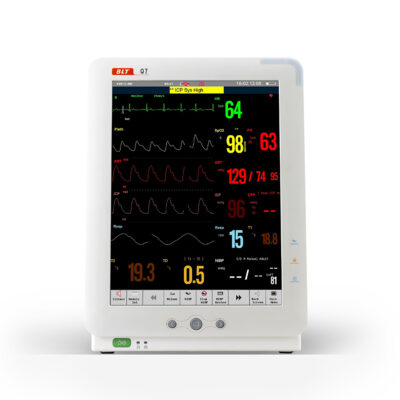
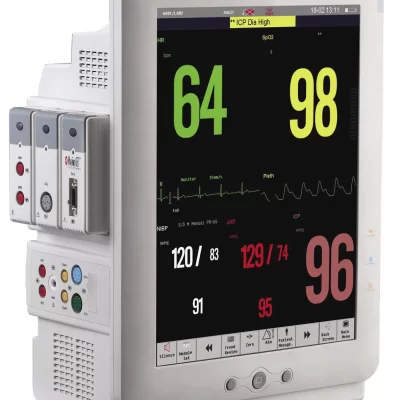
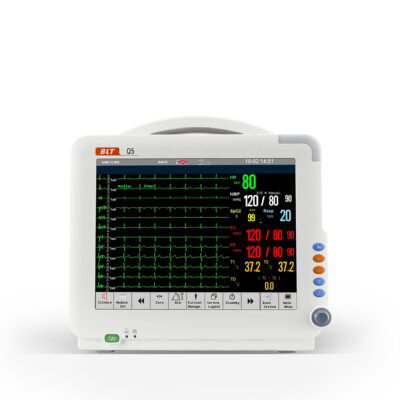
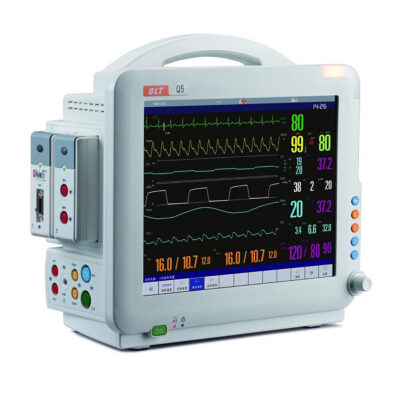
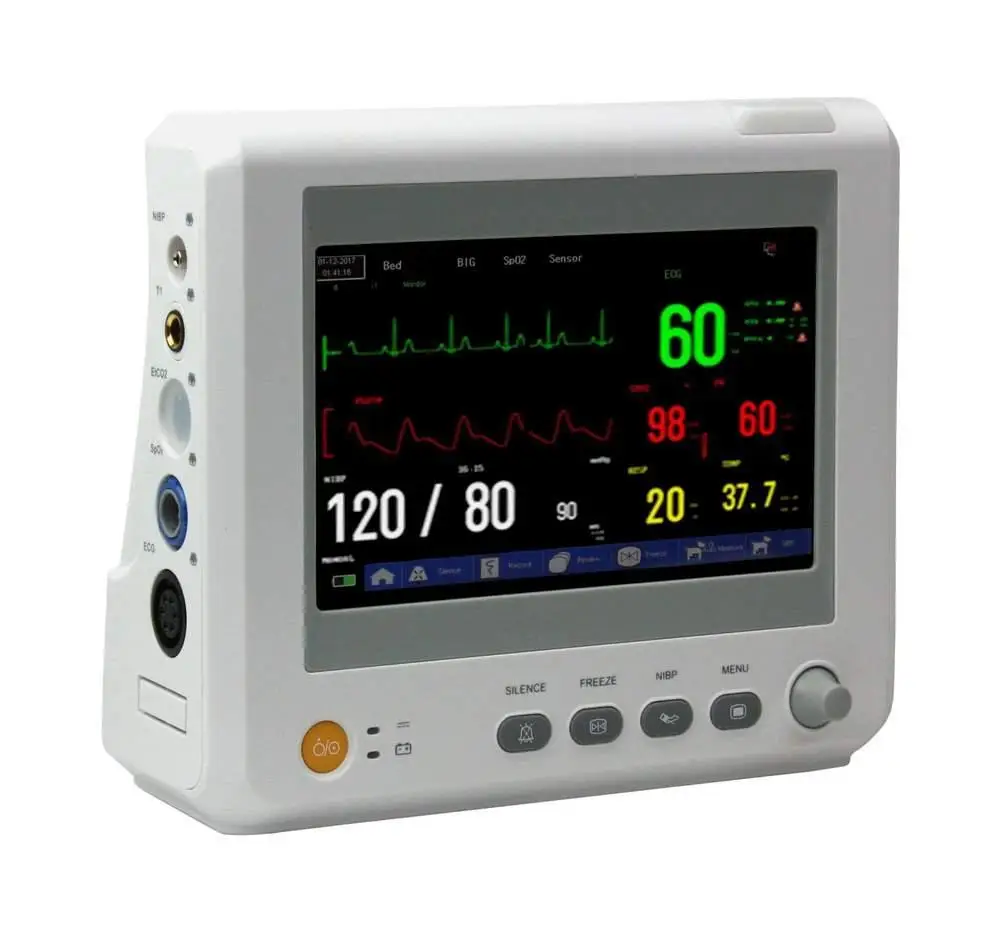
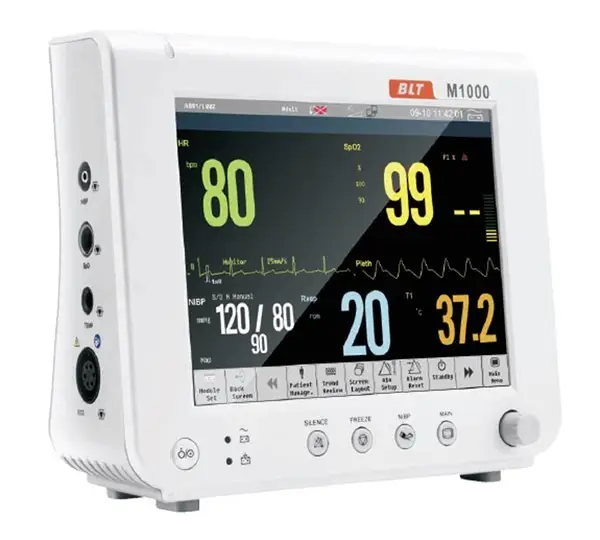
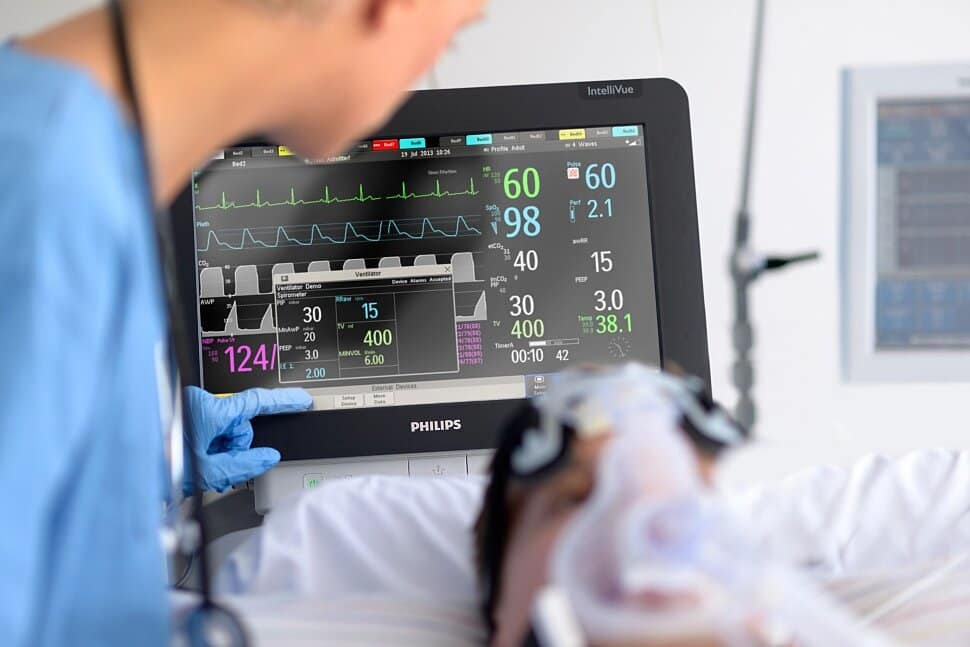 A medical patient monitor is a device that tracks various indicators of a patient’s condition during medical observation. It can measure parameters such as heart rate, blood pressure, oxygen saturation, body temperature, and others.
The role of such a monitor is to promptly provide medical staff with information about the patient’s physiological state. This allows responding to changes in their health and providing the necessary care in a timely manner.
It is important that medical monitors are reliable and accurate, as their data can determine the further course of treatment, and sometimes even save a life. You can buy an accurate and reliable patient monitor at the WESTMED company.
Types of Patient Monitors
First of all, patient monitors are divided depending on the direction of treatment. Among them are neurological, neonatal, respiratory, cardiovascular, and hemodynamic monitors.
Functionally, monitors can be single-, dual-, and three-channel. In particular, there are separate patient monitors for use in wards (bedside monitors) and operating rooms.
Also, patient monitors can be:
- stationary for use within a medical institution;
- portable, used in ambulances and at home;
- remote, which transmit data about the patient’s condition via the Internet to a medical center.
In addition, a medical monitor may differ depending on the patient’s age – NEO (for newborns), PED (for children), ADULT (for adults). Also, multifunctional patient monitors can have different power sources – from the mains, an ambulance battery, or a built-in battery.
Area of Application of Medical Monitors
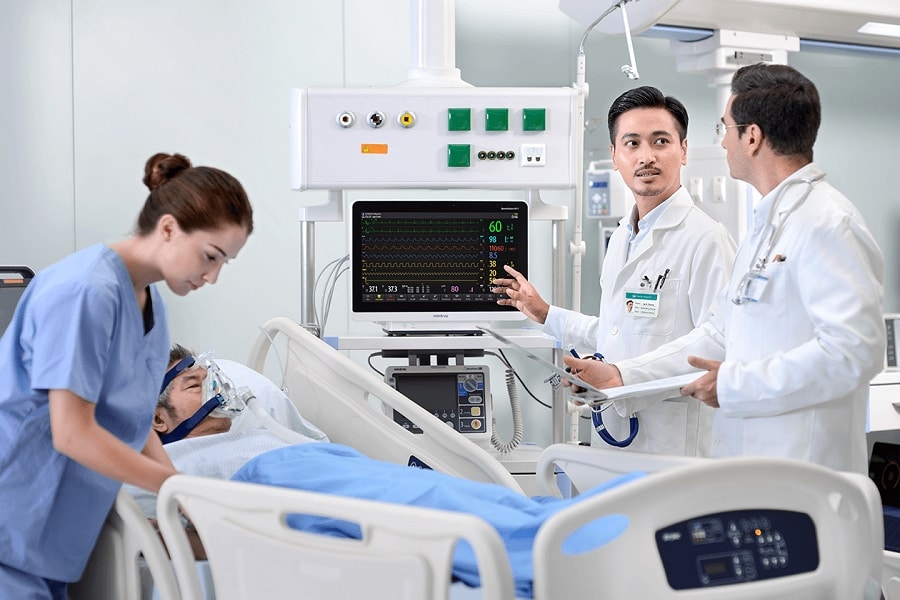 Monitoring of vital signs is important in any field of medicine.
- In cardiology, Holter monitors are used for continuous ECG recording.
- In neurology — EEG monitors to record seizures and other disorders in the functioning of the nervous system.
- In anesthesiology, modular patient monitors are used to control a person’s condition before, during induction, and after recovery from anesthesia.
- In obstetrics and gynecology, cardiotocographic monitors are used to track the fetal heartbeat and prevent fetal distress syndrome.
Such devices are relevant in every department, as they provide accurate control over the patient’s condition and the ability to provide medical care in a timely manner.
Main Measured Parameters of a Patient Monitor
Наші сертифікати


Most standard patient monitors measure a number of basic parameters:
- blood oxygen saturation;
- blood pressure;
- heart rate;
- respiratory rate;
- cardiac conduction function;
- body temperature.
Such parameters are measured by most patient monitors regardless of price. More specialized monitors can track brain activity, blood flow and fetal heart rate, muscle contractile activity, and hemodynamic parameters.
How Much Does It Cost and How to Order a Patient Monitor at WestMed
WestMed is your reliable ally in the field of medical care, offering not only advanced equipment but also a personalized approach aimed at increasing the efficiency of procedures and creating comfortable conditions for patients.
The catalog in our online store features a wide selection of in-hospital monitoring systems and related devices that help improve the conduct of medical procedures. Our cooperation with manufacturers guarantees the quality of equipment at affordable prices and allows you to buy only the best devices for your medical institution.
We will promptly deliver your order throughout Ukraine, including Kyiv and other cities.
Frequently Asked Questions about Patient Monitors
There are several types of patient monitors designed to measure and track various health parameters:
- Cardiac monitors: They measure heart rate and other parameters such as blood pressure, pulse, and blood oxygenation.
- Pulse oximeters: These monitors determine the level of blood oxygen saturation and pulse using a small device attached to the finger or ear.
- Respiratory monitors: They observe the patient’s respiratory function by measuring parameters such as respiratory rate and lung volume.
- Electrocardiographs (ECG): These devices record the electrical activity of the heart, helping to detect arrhythmias and other heart problems.
- Electroencephalographs (EEG): They record the electrical activity of the brain, useful for diagnosing neurological disorders.
- Blood pressure monitors: They measure blood pressure and can provide continuous or periodic measurements.
- Thermometers: They measure body temperature and allow you to monitor temperature increases.
When choosing a patient monitor for a medical institution, several important aspects should be considered:
- Accuracy of measurements: The monitor must provide accurate measurement of basic indicators such as blood pressure, pulse, oxygen saturation, and ECG to ensure reliable monitoring of the patient’s condition.
- Reliability: It is important that the monitor is reliable and has a long service life, as the safety and condition of patients depend on it.
- Ease of operation: The monitor should be easy to use and have a clear interface for medical staff. It should also be easily modifiable and mobile so that it can be used in different places of the medical institution.
- Compatibility with other systems: It is important that the monitor is compatible with other medical systems, such as electronic medical records (EMR), for easy data exchange and integration with other devices.
- Security and privacy: The monitor must meet the requirements for protecting the privacy and security of patient information, in particular, it must have the ability to encrypt data and access it only from authorized sources.
The duration of operation of a patient monitor without replacing parts or maintenance can vary significantly depending on the quality and type of the device, as well as operating conditions. Usually, manufacturers provide technical specifications that indicate recommendations regarding the device’s service life. In general, most patient monitors are designed for continuous operation for many years, however, regular inspection and maintenance are recommended to ensure their reliability and efficiency. This may include cleaning, calibration, and software updates. To obtain specific data on the duration of operation of your specific device, it is recommended to refer to the manufacturer’s documentation or contact service specialists.
The process of installing and setting up a patient monitor is a critical step that ensures a reliable and effective monitoring system for medical staff. The main steps include installing the monitor in an appropriate place next to the patient, connecting to the necessary sensors (for example, for measuring pulse, blood pressure, oxygen saturation, etc.), and checking the correctness of the connection.
After this, calibration and testing of the monitor are carried out to ensure its proper functioning and measurement accuracy. Setting up the monitor parameters, such as scaling, recording duration, alarms, and others, are performed according to the needs of the specific case and the recommendations of the medical staff.
In addition, it is important to train medical staff on the correct use of the monitor, identifying alarm signals and responding to them, as well as providing proper documentation and support for the patient monitor throughout the entire patient monitoring process.
Using a bedside patient monitor has numerous advantages:
- Real-time observation: Medical staff workers can observe the patient’s condition in real time without the need for constant physical presence at the bedside.
- Early detection of problems: A bedside patient monitor allows detecting changes in the patient’s vital signs, such as pulse, pressure, oxygen saturation, etc., which helps to timely identify problems or deterioration in the patient’s condition.
- Reducing the risk of errors: Monitoring vital signs using a bedside monitor avoids human errors in measuring and interpreting data.
- Efficient use of resources: Medical staff can manage their time more efficiently without spending extra time on continuous physical observation of the patient.
- Remote monitoring: If necessary, medical staff can remotely monitor the patient’s condition, which is especially useful in conditions of limited access to patients, for example, during epidemics.
- Data storage: A bedside monitor usually stores data on vital signs over a certain period of time, which can be useful for analyzing and monitoring the patient’s condition over a long period.
Наші партнери
-
 Hitachi (Японія)Виробник комп’ютерних томографів і МРТ
 -
 Philips Medical Systems (Нідерланди)Виробник комп’ютерних томографів, МРТ та рентгенодіагностичного обладнання
 -
 Medec (Бельгія)Виробник реанімаційного обладнання для невідкладної допомоги
 -
 Medistim (Норвегія)Виробник кардіохірургічного обладнання для візуалізації кровотоку
 -
 Maquet Getinge Group (Німеччина)Виробник кардіохірургічного обладнання
 -
 Carl Reiner (Австрия)Виробник реанімаційного обладнання для невідкладної допомоги
 -
 GMM (Італія)Виробник рентгенодіагностичного обладнання Polistat, Giotto, Calypso
 -
 Covidien (США)Виробник обладнання та витратних матеріалів для хірургії
 -
 OPT (Італія)Виробник операційного обладнання, а саме операційних столів OPT Vanto
 -
 Dixion (Німеччина)Виробник реанімаційного обладнання для невідкладної допомоги
 -
 Biolight (Китай)Виробник реанімаційного обладнання для невідкладної допомоги, а именно модульних моніторів пацієнта BLT Q
 -
 Hawkmed (Китай)Виробник реанімаційного обладнання для невідкладної допомоги, а именно інфузійних насосів HK-100, HK-400, Hawk-i1, шприцевих дозаторів Hawk-s-1
 -
 Zonare (США)Виробник ультразвукових апаратів ZONE Z1 pro, Z3, ZS3Z one Pro, Hepatus
 -
 Medilink (Франція)Виробник денситометрів (рентген для кісток)
 -
 Borcad (Чехія)Виробник денситометрів (рентген для кісток)
 -
 ConMed (США)Виробник обладнання для артроскопії та лапароскопії
 -
 MZ Liberec, a. s (Чехія)Медичні консолі
 -
 Noxerior (Італія)Кисневі генератори (концентратори) кисню, стаціонарні
 -
 ZPT (Чехія)Система зв’язку сестра-пацієнт
 -
 Airpol (Польща)Центральні компресорні станції
 -
 Cahouet (Франція)Редукційні панелі
 -
 Malsch (Німеччина)Медичні ліжка
 -
 Oxyvital (Туреччина)Кисневі генератори (концентратори)
 -
 Mils (Франція)Кисневі генератори (концентратори) кислорода, кислородные станции (выполнение в контейнере)
 -
 Codaco (Чехія)Система зв’язку сестра
 -
 Tepro (Польща)Центральні вакуумні станції


Переваги компанії
WESTMED | ВЕСТМЕД
Компанія ТОВ “ВЕСТМЕД” – надійний партнер із створення та життєзабезпечення клінік.
ОБЛАДНАННЯ
Ми ексклюзивно постачаємо новітнє медичне обладнання
РІШЕННЯ
Разом з лікарями розробляємо індивідуальні рішення та обираємо найкраще обладнання відповідно до потреб клінік.
ГАРАНТІЇ
Всі наші проекти ми супроводжуємо від планування до сервісного обслуговування.